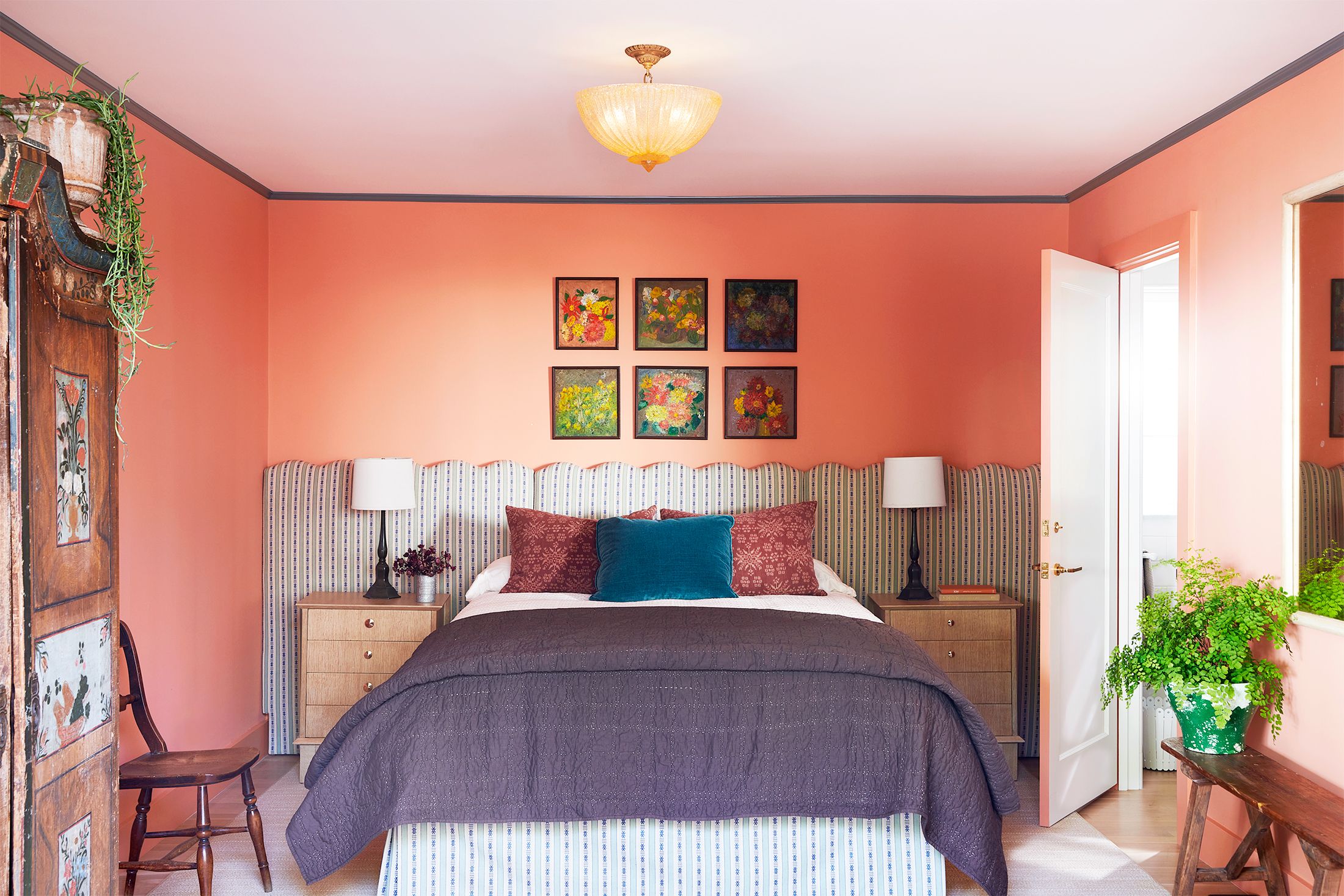
Because colors have such a profound emotional effect, understanding how they affect people may assist you in creating a harmonious, pleasant workplace. Color, on the other hand, has been shown in tests to induce physiological responses as well. Red, for example, stimulates the body by raising blood pressure, heart rate, and breathing rate, while light blue and dark green have the opposite effect.
Other Physiological Systems' Color Reactions
Assume you're driving through a green grassy region sprinkled with yellow wildflowers. Because yellow is the first color our eyes see, the yellow flowers will stand out more than the green grass. Painting the walls a bright yellow resembles a sunny climate and creates a soothing ambiance for the room's occupants. White lace or sheer curtains with a hint of gentle yellow dye may brighten and liven up any space.
Bright yellows, on the other hand, may evoke feelings of anxiety and hostility. As a consequence, bright yellows should be utilized with caution, especially in high-anxiety locations such as kitchens. Furthermore, naturally light rooms painted bright yellow may overstimulate certain people, leading to angry feelings. However, on a foggy day in a cold climate, that same bright yellow room can be wonderful.
Red is the most potent and long-lasting color that our eyes can see. The color red, like a cup of tea or coffee, stimulates the senses. The dark ruby red walls of the dining area are not only stunning and festive, but they also make the food taste delicious. At night, dark crimson is sumptuous and seductive, particularly in low light. In the morning, the same red enlivens and motivates you to live your day entirely.
Many people are hesitant to use red on their walls because they mistake it for an angry or blood-related color, but red is auspicious, not caustic. Artwork often seems more important with a red backdrop than with a white background, and almost everyone looks fantastic with a deep red backdrop.
People are soothed by the hue light sky blue. This is because the pituitary gland creates soothing hormones when we gaze at the sky blue. If you desire the feelings evoked by baby blue but don't like the color because it's "babyish," combine it with black and use a sophisticated grayed-blue.
White symbolizes cleanliness and reflects the most light. It is the most pure of all the colors and represents dignity and purity mentally. Brilliant white adds a cool touch to bright color palettes. Too much white, on the other hand, may cause squinting and eyestrain, and it can seem unpleasant on those with fair complexion.
Gray makes rooms seem smart and exclusive, conveys caution and humility, and adds a refined air. Gray, the only color that has no afterimage, promotes creativity, imagination, and meditation, but it should be avoided in areas where natural light is often diminished by a dismal sky.
Color affects us on several levels, including changes in our biological chemistry. As a consequence, the color scheme of a place should be carefully evaluated depending on its intended use and the impression you wish to achieve.


No comments:
Post a Comment